For decades, finding a new band member was a private process. A few industry connections. Closed-door auditions. Maybe a recommendation from another musician. The public usually learned about the decision only after it had already been made.
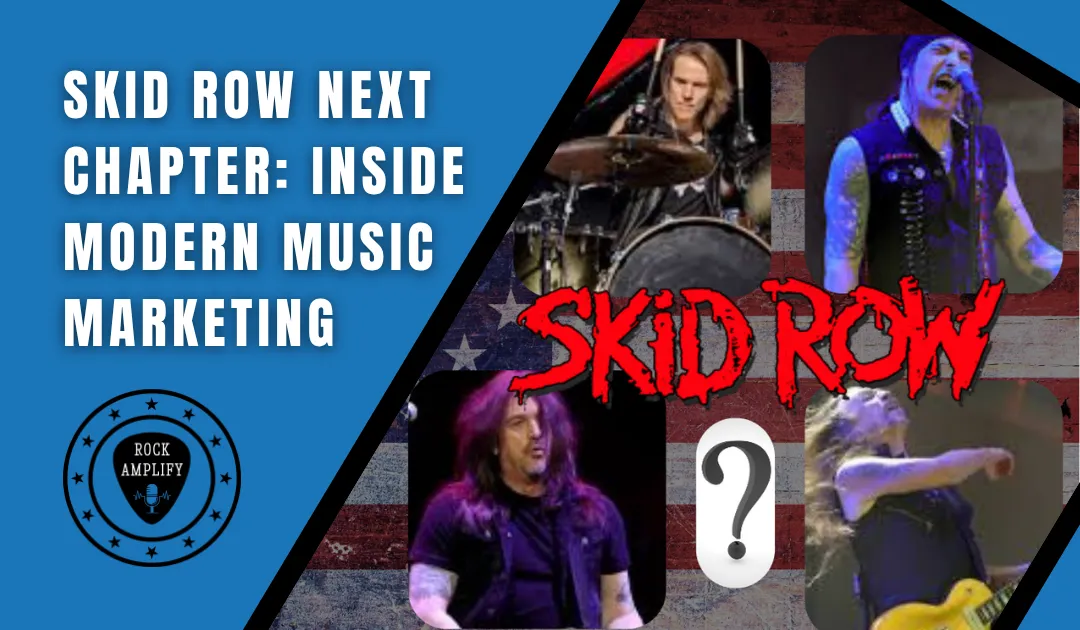
In February 2026, American rock band Skid Row changed that formula entirely. In partnership with Sweetwater, the band launched a worldwide search for their next singer under the Skid Row Next Chapter campaign, turning what was once an internal decision into a global, public audition process.
And almost immediately, the algorithms took over.
The campaign was built for the modern content ecosystem, where every submission drives engagement, every comment fuels visibility, and every share pushes it further across platforms.
So, is this genuinely a smart way to find a new singer, or simply brilliant marketing?
The answer is probably both.
The Modern Music Industry Runs on Attention
In 2026, attention is one of the most valuable currencies in entertainment. The music industry no longer revolves solely around radio stations, magazine interviews, or record labels controlling distribution. Social media platforms now serve as discovery engines, marketing channels, fan communities, and media outlets.
A campaign like Skid Row Next Chapter taps directly into that reality. Instead of quietly auditioning singers behind the scenes, Skid Row has effectively turned the search itself into a form of content.
That matters because content creates:
- Reach
- Engagement
- Discussion
- Media coverage
- Fan participation
- Algorithmic momentum
The campaign doesn’t just exist across platforms; it's actively shaped by them. Every submission, reaction, and share feeds directly into recommendation systems that determine how far the content spreads. Visibility compounds visibility. The more engagement each clip generates, the further it travels, creating a self-reinforcing cycle of reach and attention.
Every aspiring singer who uploads an audition becomes part of the campaign’s marketing machine. Every reaction video extends its lifespan. Every debate in the comments section increases visibility. This is no longer just a recruitment process; it’s an ongoing digital event.
A Legacy Built on Hard Rock Evolution
Few bands better capture the evolution of hard rock and metal than Skid Row. With multi-platinum albums and a legacy built on defining tracks like "Youth Gone Wild" and "Monkey Business," the band helped shape a generation of rock music.
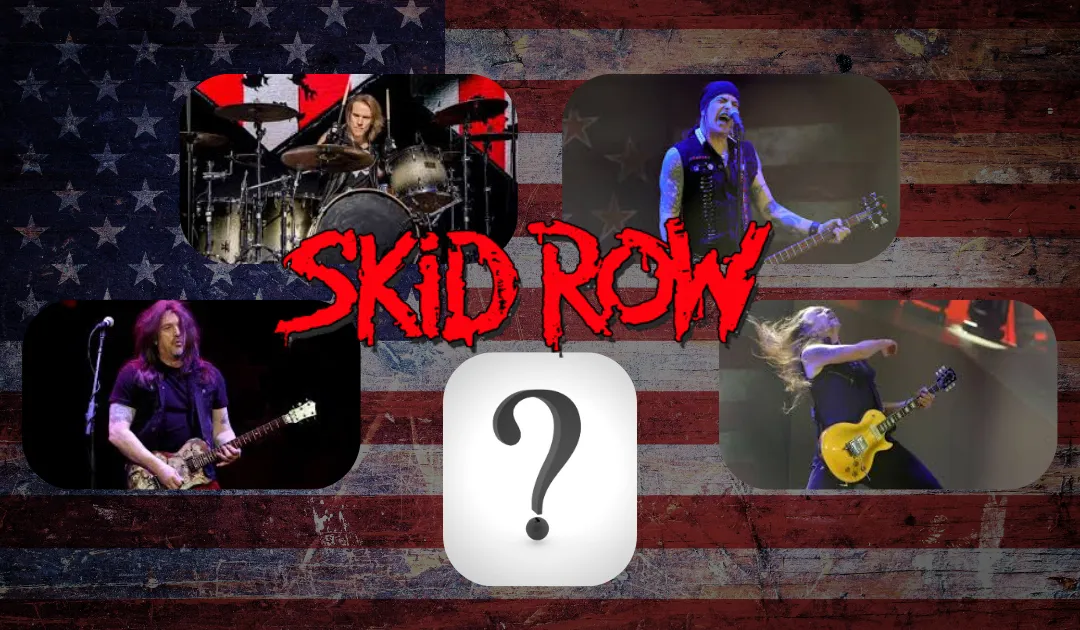
Today, Skid Row features Rachel Bolan, Dave Sabo, Scotti Hill, and Rob Hammersmith. Their identity has always been rooted in energy, attitude, and raw performance, not just image.
That legacy gives the Skid Row Next Chapter campaign its weight. This isn’t just a marketing activation; it’s a continuation of a band whose influence runs deep within modern rock culture.
Every aspiring lead vocalist watching the process unfold is engaging with something bigger than an audition call. For fans, both old and new, it represents a rare opportunity to become part of the story and potentially fulfill a lifelong dream.
Why This Is a Smart Marketing Move
From a marketing perspective, the campaign makes enormous sense.
1. It Creates Global Fan Engagement
Fans are no longer passive listeners. Modern audiences want involvement, opinions, and interaction. They want to feel part of the journey.
By opening the search to the world, Skid Row instantly transforms fans into participants. People aren’t just watching the story unfold; they’re emotionally invested in it. That creates stronger engagement than a traditional press release ever could.
2. User-Generated Content Does the Heavy Lifting
This is where the strategy becomes especially powerful. Every audition video becomes free promotion for the band. Think about what happens when hundreds or thousands of singers upload:
- YouTube videos
- TikToks
- Shorts
- Instagram Reels
- Facebook clips
Each one includes:
- The band’s songs
- The hashtag #SkidRowNextChapter
- Mentions of Skid Row
- Searchable keywords
- Audience interaction
The internet essentially markets the campaign on the band’s behalf. That’s incredibly valuable in an era when organic reach is hard to achieve.
Music marketing insights for artists and bands. No spam, just useful stuff.
3. Legacy Bands Need Cultural Relevance
One of the biggest challenges for legacy rock bands is staying visible to younger audiences. A campaign like this helps bridge generations. Older fans follow the story's nostalgia and legacy. Younger audiences discover the band through social media content, viral clips, auditions, and creator engagement.
Even people who were never traditional Skid Row fans may now encounter the band through:
- TikTok feeds
- YouTube recommendations
- Music commentary channels
- Reaction creators
- Vocal coaches reviewing auditions
That exposure is difficult to buy through traditional advertising alone.
4. The Search Becomes Bigger Than the Result
This may be the most important point of all. Even before a new singer is chosen, the campaign has already sparked worldwide conversation. That’s modern marketing. In many cases today, the journey generates more engagement than the outcome.
The Risks of a Public Singer Search
Of course, not everyone sees this approach positively. And some criticisms are completely fair.
Does It Feel Gimmicky?
For some fans, public auditions can feel more like reality television than a serious music-recruitment process. Rock music has traditionally valued authenticity, chemistry, and credibility. Turning a search for singers into a social media campaign risks making the process feel commercialized.
That can create pushback from longtime fans who prefer the old-school approach.
Viral Doesn’t Always Mean the Right Fit
One of the biggest dangers of internet-driven discovery is mistaking visibility for compatibility.
A singer may:
- Go viral
- Have an impressive range
- Generate massive engagement
- Attract online attention
Yet, they may still not be the right fit. Although social media excels at measuring attention, it’s not always great at measuring long-term musical chemistry.
The Internet Can Be Brutal
Publicly opening auditions also exposes artists to intense scrutiny. Every submission can be dissected in comment sections, reaction videos, and online debates.
For aspiring musicians, that visibility can create opportunity, but also pressure. The internet rarely responds with subtlety.

The Bigger Industry Shift Behind All This
What makes the Skid Row Next Chapter campaign interesting isn’t just the singer search itself. It’s what the campaign represents. The music industry has entered an era where discovery is public, branding is continuous, artists are content creators, and fan participation actively shapes momentum.
In many ways, bands today are no longer simply competing for listeners. They’re competing for visibility within the algorithm. That changes everything. A great song is still important, but now so are shareability, engagement, storytelling, online personality, audience interaction, and digital momentum.
The lines between artist development, entertainment, marketing, and community-building have become increasingly blurred.
Is a Global Online Singer Search a Good Idea?
From a marketing standpoint? Absolutely. The campaign is smart, modern, highly shareable, and perfectly designed for today’s digital landscape.
From a musical standpoint? That depends entirely on whether the band ultimately finds someone who genuinely matches Skid Row’s chemistry, energy, and identity, not just someone who performs well online.
When Recruitment Becomes Content
One of the most significant shifts is that recruitment itself has become content. What used to be a behind-the-scenes process is now something audiences can watch, react to, and participate in. Every audition becomes a piece of media, and every submission becomes part of the story.
This changes the roles of both artists and audiences. Artists are no longer just performers, and audiences are no longer just listeners. The process itself becomes the product. In this environment, attention isn’t a byproduct; it’s the strategy.
Author: Alex Trajcevski
Ready to Get Amplified?
Your music deserves more than a post and a playlist link.
Let's build the brand around your music and give your audience something to connect with.