In the vast world of the music industry, digital marketing is the conductor that helps musicians strike the right chord with their audience. It’s no longer just about creating music; it’s about amplifying your sound with a digital megaphone, connecting with listeners worldwide.
Much like an instrument, it can seem complex at first, but once mastered, it becomes the rhythm driving your success. Whether you're an independent artist or part of a band, this comprehensive guide will equip you with all the tools to utilize digital marketing for musicians.
In this guide, we’ll explore the major keys to success: building your online presence, creating engaging content, leveraging email marketing, mastering SEO, and more. All while hitting the right notes!
So, let’s go!
1. Building a Strong Online Presence: The Virtual Stage
Your online presence is your virtual stage. It’s where your audience sees the artist behind the sound, streams your latest tunes, buys your merch, and feels connected to your journey. Think of it as the home base for your digital marketing—a stage where every detail of your brand performs a crucial role in captivating your fans while expanding your reach.
Website
Your website is the heartbeat of your online presence—a venue where all efforts converge. Without it, your audience has no permanent place to visit. Here’s what makes your site the star of the show:
- Homepage: Like the opening song of a concert, your homepage must make an immediate impact. Use a striking image, introduce your sound, and make it easy for visitors to access your music.
- About/Bio Page: Your biography should be like the liner notes of your album—personal, reflective, and engaging. Fans should leave knowing who you are and why they should care.
- Discography/Listen Page: Don’t make your fans search high and low for your songs. Provide direct links to streaming platforms like Spotify, Apple Music, and YouTube. You can also sell your music directly.
- Tour Page: Keep your tour dates up to date and include links for purchasing tickets.
- Store Page: Offer your audience a chance to support your journey by purchasing merch. Your store should be as well-organized as a merchandise table at a show.
- Email Sign-Up: Like collecting signatures after a gig, building an email list lets you maintain personal contact with your fans. Make the sign-up easy and enticing (we’ll dive deeper into email marketing shortly).
Tip: Ensure that your website is mobile-friendly. A significant portion of people will access it from their phones.
Electronic Press Kit
Think of your Electronic Press Kit (EPK) as your backstage pass for media professionals—editors, bloggers, and talent buyers. It's a neatly packaged kit with all the essentials that let your music and story take center stage, making it effortless for the media to write your feature or book you for the next gig.
Here’s what to include in your EPK:
- Bio: Your bio is the opening riff to your story. It should hit the right notes—concise, compelling, and showcasing your journey as an artist.
- Photos: High-resolution, professional photos are like album art—they set the visual tone for your brand. Ensure they're easily downloadable for media use, and remember to include any necessary photo credits.
- Press Quotes: Positive press quotes are your highlight reel, giving media an instant hook. If you're just starting out, this section will grow as you keep hitting your mark with new features.
- Music Links: Include direct links to your tracks on major platforms like Spotify, Apple Music, Bandcamp, and Soundcloud so the media can follow your sound.
- Social Media and Website Links: Add clickable links to your social media profiles and website, giving media personnel an easy way to explore your latest updates and connect further.
- Timely Information: If you have an upcoming release, tour, or new project, highlight it here as a sneak peek. Make it impossible to miss!
Make your EPK readily available on your website as a feature on your bio page or through a link on your homepage. This ensures that media professionals can access everything they need in one easy click.
Social Media Platforms
Social media platforms are the best way to stay connected with your fans on a day-to-day basis. Each platform offers a unique way to play your tune, but hitting the right notes on each one is important.
- Instagram: Ideal for visual storytelling, Instagram is where you show, rather than tell, the magic behind your music. Make use of Stories and Reels to boost engagement.
- TikTok: The mosh pit of viral content. TikTok is where you can turn a few seconds of your music into a wave of user-generated buzz. Create short, engaging videos, participate in trends, and use your music creatively to go viral.
- YouTube: Your official channel of content. Music videos, live performances, lyrics videos, and even vlogs can find a home here. Build a loyal fanbase by posting consistently and interacting with comments.
- Facebook: While Facebook is declining in popularity among younger audiences, it is still effective for promoting events and maintaining a core fan community. Foster a dedicated space through Facebook groups where superfans can gather.
- X (formerly Twitter): If you enjoy quick, real-time conversations, Twitter is a great platform to engage with your audience, share updates, and connect with industry professionals.
Tip: Each platform is like a different instrument in your band. Playing them all the same way misses the unique sound each offers. Adapt your content to suit each one's strengths.

2. Creating Engaging Content: The Visual Sound
Content is the melody that keeps your audience coming back for more. Without engaging content, your digital and content marketing strategy will fall flat. Every post, video, or article you create is another note in the song you’re playing for your audience.
Music Videos
Music videos remain one of the most powerful promotional tools for musicians. Whether it’s a polished production or an intimate live session, your visuals bring your sound to life.
Types of Music Videos:
- Official Music Videos: The centerpiece of your video content arsenal. These should be shared widely across platforms like YouTube, Instagram, and Facebook.
- Lyric Videos: When budgets are tight, lyric videos keep the conversation going. Fans love to sing along, and lyric videos help them feel connected to your words.
- Live Session Videos: Authenticity resonates. Show off your raw musical talent with unpolished, real-time performances.

Social Media Content
Social media content should be like the pulse of your musical career, the daily beat—consistent and diverse. Here’s how to keep your feed as dynamic as your sound:
- Behind-the-Scenes Content: Fans crave a backstage pass. Show what it’s like to be a musician behind the spotlight. Recording sessions, tour life, songwriting, and casual interactions with your band or crew all make for engaging content.
- Teasers and Previews: Build anticipation with sneak peeks of your upcoming releases. Tease a chorus, show off some album art, or give a glimpse of your next music video.
- Live Streams: Take your fans behind the curtain in real-time. Live streams, such as live performances and Q&A sessions on Instagram, YouTube, or Facebook, build an emotional connection that lasts.
- Challenges and Trends: Get your fans involved! Start a challenge on TikTok featuring your song to encourage users to create content around it. The right challenge can send your song viral and reach millions of users.
Written Content
Written content such as blogs, emails, or social posts allows you to connect on a deeper level with your audience. Blogs on your website can cover a variety of topics, including the story behind your music, updates on your career, or commentary on the music industry, which is also great for SEO (more on this later).
Tip: Link back to in-depth blogs to improve user engagement on your website.
To read more about content creation, check out Content Marketing for Musicians.
Music marketing insights for artists and bands. No spam, just useful stuff.
3. Email Marketing: The Personal Messenger
Email marketing is your secret weapon. It offers a direct, personal line to your audience, making it one of the most powerful tools in your digital marketing toolbox. With an email list, you’re not at the mercy of social media algorithms; you have control over who sees your content.
Building an Email List
Give your fans a reason to hand over their email addresses. Offer exclusives that make them feel like VIPs at your show, such as:
- Unreleased Tracks or Early Access: Make your subscribers feel special by giving them exclusive access to new music or live performances.
- Discount Codes: Offer discounts on merch or tickets in exchange for signing up.
- Contests: Keep it fun! Run a contest where subscribers can win signed merchandise or VIP tickets to your next show.
Creating Your Emails
The goal is to keep your fans engaged without overwhelming them. Don’t overdo it. You want your emails to be a treat, not a chore to open. Here are the types of emails you can send:
- Newsletters: Keep your fans in the loop with updates on new releases, tours, or exclusive content.
- Announcements: When you have a new album, single, or event, send a dedicated email to build anticipation.
- Exclusive Offers: Give your email subscribers something special—a limited-edition item, discount codes, or VIP access.
Tip: Segment your email list based on location, activity, or preferences. This allows you to send more relevant content to the right fans, such as local tour dates or VIP access.
Dive deep into email marketing by checking out our blog, Email Marketing for Musicians.
4. SEO: A Search Engine Hit
SEO is the spotlight that ensures your music doesn’t get lost in the shadows on search engines like Google. Search Engine Optimization ensures your work resonates with the right audience when they search online. Effective SEO, like writing a catchy hook, can drive organic traffic and keep them engaged.
Website SEO
Your website is your album cover to the world; it must be visually appealing and easy to navigate. Here’s how to optimize it for search engines:
- Keywords: Think of keywords as the lyrics of your SEO song. Use terms that fans might type into search engines—your name, song titles, and genre descriptors. The right keywords can help potential fans discover you like an unexpected hit in a playlist.
- Meta Tags: Write compelling meta titles and descriptions that act like the enticing first few notes of a song, drawing listeners in. These tags should be informative and engaging, encouraging clicks from search results.
- Alt Text: Just as every note matters in a composition, so does the alt text for your images. This descriptive text aids accessibility and helps search engines understand your content.
YouTube SEO
YouTube is the second-largest search engine globally, so optimizing your music videos is essential:
- Video Titles: Include relevant keywords in your titles, like "Official Music Video" along with your band name and song title. This ensures that fans searching for your music find you easily.
- Descriptions: Use the description box to link back to your website, tour dates, and other relevant content. Incorporate keywords naturally to enhance discoverability.
- Tags: Tags are your way of telling YouTube how to categorize your content. Use relevant keywords that describe your music genre and style to reach the right audience.
Tip: Regularly update your website with fresh content, such as blog posts or new releases. Google loves websites that stay active, and this can improve your search rankings.
For more detailed advice on this topic, check out our blog SEO for Musicians.
5. Social Media Advertising: Amplifying Your Reach
While organic reach is essential, paid advertising is like adding a powerful amplifier to your sound. Social media marketing can catapult your music into the ears of new fans, who might not have discovered you otherwise while driving concert tickets or merch sales.
Facebook and Instagram Ads
Facebook and Instagram’s advertising platforms are like custom setlists for your specific audience. You can create targeted ads that resonate with potential fans based on:
- Demographics: Target age, gender, and location to ensure your ads reach the right audience—like finding the perfect venue for your sound.
- Music Interests: Tailor your ads based on fans’ interests, including favorite genres or similar artists. This approach helps you connect with listeners who are likely to enjoy your music.
- Engagement History: Reach users who have previously interacted with your content or page, ensuring your ads hit home with those already familiar with your work.
YouTube Ads
YouTube ads are your opportunity to showcase your music to an audience already tuned into similar content.
- Pre-Roll Ads: Show your music video before content that aligns with your genre. This placement can effectively introduce your sound to an eager audience.
- Engagement Links: Use your video descriptions to guide viewers to your channel, website, or upcoming events, turning casual listeners into loyal fans.
Tip: Start with a small budget for ads and test different formats. Analyzing the results will help you fine-tune your strategy so you only spend where it counts.
Check out our Social Media Music Promotion blog for more on Social Media Ads.
7. Tracking Your Results: Staying in Tune
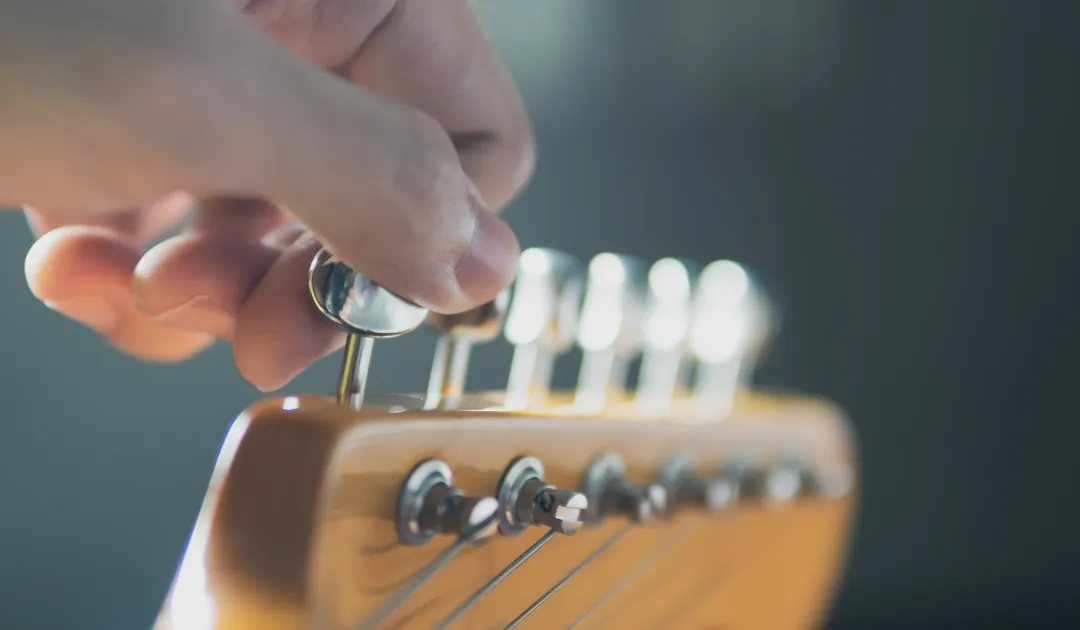
In digital marketing, tracking your results is like tuning your instrument. Without precision, even the best melodies can sound flat. Every adjustment you make—like tweaking a string's pitch—brings you closer to perfect harmony with your audience. But how do you know which notes are hitting and which are missing the mark? The answer lies in data.
Experimentation and Refinement
Music marketing is an ever-evolving process, much like writing a song. You try different riffs, listen to how they resonate, and then adjust. Similarly, your marketing efforts must be tested, refined, and optimized. Most social media platforms offer built-in analytics, but you can’t stop there. Tools like Google Analytics and email marketing reports are your mixing boards, giving you complete control over every detail of your strategy.
Metrics to Track
Metrics are like your audience's reaction at a live show—are they cheering, singing along, or just waiting for the next track? Here’s what to pay attention to:
- Website Traffic: How many fans visit your digital stage, and where are they coming from? This helps you identify which platforms bring the most attention, just like knowing which songs get the loudest applause.
- Engagement: Likes, shares, and comments are your standing ovations. If interaction is low, it’s time to switch up the setlist and give your audience more of what resonates.
- Conversions: How many fans are taking action—buying tickets, merch, or signing up for your email list? Conversions are your encore, showing who's fully invested in your journey.
Tip: Set benchmarks for each metric you’re tracking. Compare your results against industry standards or your past performance to see where to improve.
The Encore: Taking Centre Stage
Mastering digital marketing for musicians takes time, but with a solid strategy, you can grow your fan base, boost engagement, and turn your music career into a thriving business.
Each metric in your marketing is like a note in your musical composition—played together, they create a symphony of success. Keep testing, tweaking, and refining, and your career will stay in harmony, hitting all the right notes.
Ready to take your digital marketing to the next level? Rock Amplify can help you fine-tune your strategy and take it to new heights with our digital marketing services for musicians. Or, we can collaborate to create something new from the ground up. Contact us today, and let's amplify your band into a brand!
Author: Alex Trajcevski
Ready to Get Amplified?
Your music deserves more than a post and a playlist link.
Let's build the brand around your music and give your audience something to connect with.