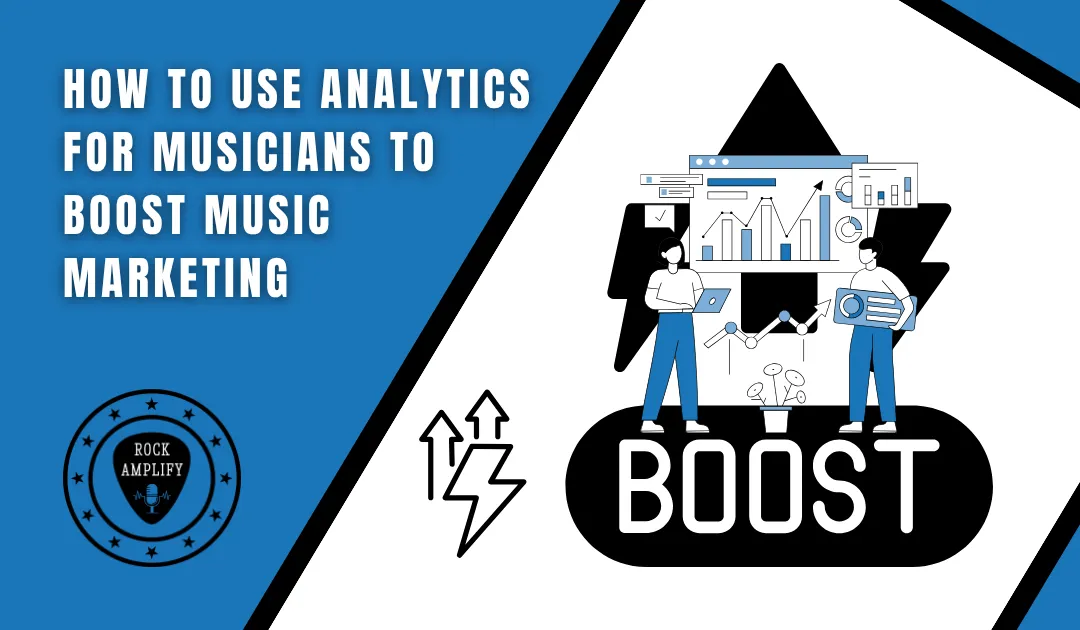
In today’s digital landscape, analytics for musicians isn’t just an add-on—it’s a powerful tool to help you understand your audience, refine strategies, and amplify your reach. More artists are turning to data insights to make informed decisions that drive their music careers forward. Whether you’re just starting out or are an established musician, understanding your audience and maximizing your reach is essential for growing your career. With data-driven insights, you can make strategic decisions to boost visibility, connect with fans, and drive your music marketing success.
In this blog, we’ll explore how analytics works in the music industry, the best platforms for musicians, and how you can use these insights to fuel your career.
How is Data Analytics Used in Music?
Data analytics is all about gathering and interpreting data to make informed decisions. For musicians, this means understanding who’s listening to your music, where they’re located, how they’re engaging with your songs, and what’s resonating the most. Here’s how it works:
- Audience Insights: Analytics helps you identify key demographics, such as age, gender, and location, of people who enjoy your music. For instance, if you notice a large listener base in a particular city, this might be a great place to plan a concert or tour. Knowing your audience allows you to connect with them deeper by tailoring your music, merchandise, and social media content to meet their preferences.
- Engagement Metrics: Engagement data reveals how people interact with your music. Are listeners tuning into the entire song or skipping after a few seconds? Do they engage more with one genre over another? Music platforms like Spotify, Apple Music, and YouTube provide metrics on song completion rates, which track how many listeners finish a song. Use this insight to decide which songs to promote heavily or even influence future creative decisions.
- Trends and Patterns: You may notice patterns in listening habits over time. For example, maybe your streams peak during certain times of the year or on specific days. Recognizing these trends allows you to schedule releases for maximum impact, ensuring your music gets heard when your audience is most active.
By tapping into these insights, you can create innovative marketing strategies, personalize fan interactions, and stay relevant in a rapidly changing industry.
What is the Best Music Analytics Platform?
Selecting the right music analytics platform is crucial. Although multiple platforms should be used for maximum exposure, each offers unique information, insights, and tools to help you grow. Here’s a look at some of the best options:
- Spotify for Artists:
As one of the top streaming platforms, Spotify offers strong analytics for musicians. With 626 million monthly active users, including 246 million paying subscribers, it provides access to a vast audience and detailed insights. You can access audience demographics, song performance metrics, and listener engagement data on Spotify for Artists. It also shows how listeners discovered your music, helping you understand which marketing channels work best. Additionally, the platform offers a feature that lets artists submit new releases for playlist consideration, which is a fantastic way to reach a wider audience. - YouTube Analytics:
For musicians who release music videos, YouTube Analytics is essential. With 2.5 billion monthly active users, YouTube offers vast exposure potential and valuable insights into video watch time, user demographics, and geographic data. Understanding which videos get the most engagement and where viewers are located can help you plan future releases, create content that appeals to your fans, and choose the best times to publish. - SoundCloud Insights:
SoundCloud is known for its engaged community of musicians and listeners, with 140 million registered users. With SoundCloud Insights, you can see your top tracks, which countries and cities are tuning in, and track reposts and likes. SoundCloud’s grassroots appeal makes it an excellent platform for independent artists who want to connect with fans without label involvement. - Apple Music for Artists:
Apple Music is another powerful platform for musicians, boasting over 93 million subscribers globally. With Apple Music for Artists, you can access in-depth data on your song performance, user demographics, and how your music is consumed across different regions. The platform offers insights into listeners’ habits, including how often a track is added to playlists or shared. Apple Music’s integration with the broader ecosystem makes it a great tool for reaching listeners using devices like iPhones, iPads, and Apple HomePods. - Social Media Analytics (Instagram, Facebook, TikTok):
Social media platforms play a huge role in music discovery today. Tools like Instagram and Facebook Insights or TikTok’s analytics feature give you valuable data on your posts, stories, and engagement. Social media platforms are ideal for identifying what content resonates with fans, be it behind-the-scenes glimpses, live sessions, or interactive Q&As.
Each platform has its own strengths, so choosing the best one depends on where your audience spends most of their time and where you see the most significant engagement.
Music marketing insights for artists and bands. No spam, just useful stuff.
Is There a High Demand for Musicians?
Yes! Demand for musicians remains strong, particularly as the music industry evolves to embrace digital formats and innovative ways of connecting with fans. However, standing out can be challenging, with the market becoming increasingly saturated. Fans always look for something new and exciting, meaning as an artist, you must continuously adapt to stay relevant. The demand for musicians often varies by genre, location, and the type of music experience offered (e.g., live performances, streaming content, or studio recordings).
Here’s how data analytics can help artists understand and respond to this demand:
- Identifying Genre Popularity: Analytics can reveal trending genres. For instance, if you notice that certain styles, like indie rock or electronic, are gaining traction among your listeners, this can inform your artistic direction or collaborations.
- Local Demand for Music Events: If you’re noticing high listener counts in specific cities or regions, that could signal demand for live performances or meet-and-greet events. Analytics tools help you pinpoint locations with the most engagement, making it easier to decide where to schedule concerts or promotional events.
- Adapting to Audience Preferences: Tracking your audience’s listening behaviors allows you to adapt to what’s popular. Maybe your acoustic, stripped-down versions are getting more traction than studio recordings, or fans respond better to your live-streamed performances. Responding to demand is about paying attention to these trends and aligning your marketing efforts accordingly.
While the demand for musicians remains dynamic, understanding and responding to data insights keeps you in tune with what audiences want.
How Are Statistics Used in the Music Industry?
Statistics play a critical role in shaping strategies across the music industry, from artist promotion to tour planning and revenue forecasts. Here are a few ways musicians and industry professionals use statistics to gain an edge:
- Tour Planning and Budgeting: When planning a tour, statistics help identify where demand is highest. Ticket sales data and streaming numbers guide artists on which cities will likely draw a crowd. Budget allocation can be optimized by focusing on high-demand areas.
- Releasing Music Strategically: Statistics show when listeners are most active, allowing artists to plan releases for maximum impact. For example, if your statistics reveal that your fans are most active on weekends, you might consider dropping new singles on Friday to catch the weekend rush.
- Benchmarking Performance: Streaming and download statistics let you measure success over time. Comparing your current release’s performance with past releases helps you understand what’s working, whether it’s a change in genre, release timing, or promotional effort.
You can make data-backed decisions to amplify your career using these statistical insights.
Analytics for Musicians: Steps to Boost Your Music Marketing
If you’re ready to utilize the power of data and improve your music marketing, here’s how to get started:
- Set Up Analytics Accounts: Set up analytics on platforms like Spotify for Artists, YouTube Analytics, and social media insights. These tools are often free and provide valuable data that can help guide your strategy.
- Track Key Metrics: Focus on key metrics, such as listener demographics (age, gender, and location), engagement rates, and song completion. Monitoring these over time will help you identify trends and better understand your audience's preferences.
- Define Clear Goals: Whether your goal is to increase streams, grow social followers, or sell more concert tickets, it’s crucial to set clear, measurable targets. Analytics will help you track your progress and adjust strategies to reach those goals.
- Analyze and Adapt: Regularly review your data to uncover opportunities for adjustment. For example, if you notice a spike in listeners from a specific city, consider targeting that region with social media ads or events. If certain content types are performing better, focus on creating more of that content to boost engagement.
Amplify Your Reach with Data-Driven Music Marketing
Analytics for musicians isn’t just about crunching numbers; it’s about understanding your audience and delivering music they’ll love based on artist stats. By tapping into various platforms, you can gain valuable insights from multiple sources that guide everything from song releases to concert planning. Charts and other data visualizations further enhance your ability to make informed decisions and fine-tune your strategy.
Data analytics empowers you to make smarter marketing decisions, engage with your audience, and drive your music career forward. Start tracking your data today, and watch as insights transform your digital marketing approach.
Ready to Amplify Your Reach?
Rock Amplify is here to support you with your music marketing. Contact us to discover how we can help you hit the right notes, connect with the right audience, and grow your fanbase through powerful insights.
Author: Alex Trajcevski
Ready to Get Amplified?
Your music deserves more than a post and a playlist link.
Let's build the brand around your music and give your audience something to connect with.