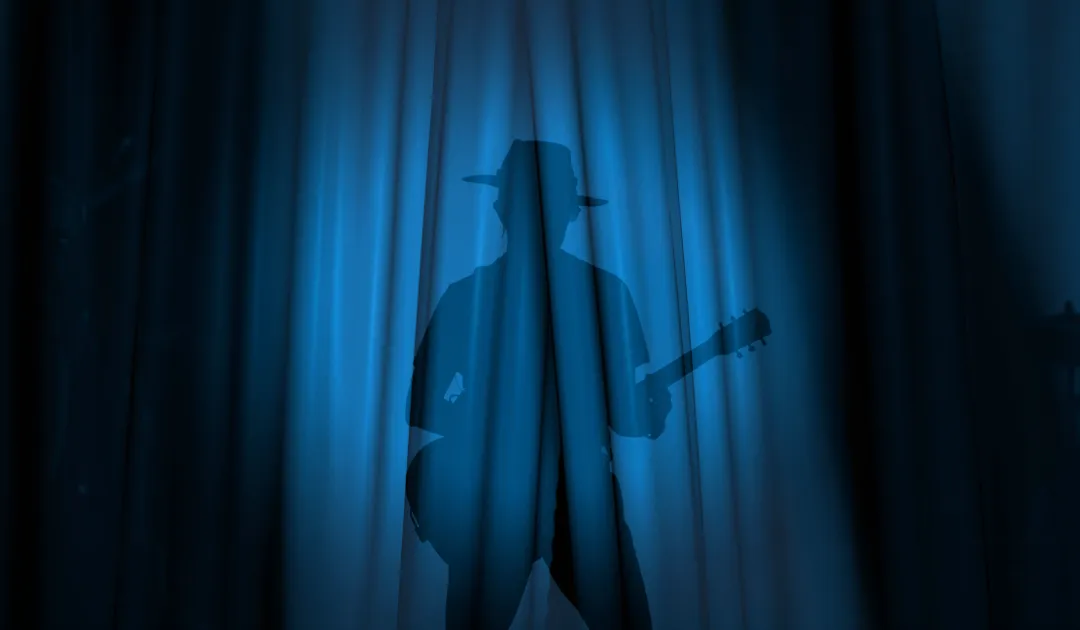
Once upon a time, music held a sense of mystery. Artists emerged from behind the curtain. You didn’t know everything about them: their daily routines, their opinions on trending topics, or what they had for breakfast. What you did know was their sound. Their identity was shaped by the music first, and everything else followed.
But today, the curtain looks a little different. Before a single note is heard, the world already knows who the artist is, what they stand for, and how many followers they have. The question is: when marketing speaks before the music, what gets lost in the noise?
The Curtain Opened Too Soon
Artists are no longer introduced solely through their music. They are introduced through content.
Instagram, TikTok, YouTube, and streaming platforms have created an environment where visibility often precedes credibility. Audiences no longer “discover” artists in the traditional sense; instead, they are presented with artists through algorithms, trends, and viral moments.
That means by the time a listener presses play, an opinion has often already been formed:
- “This artist is cool.”
- “They’ve got a strong personality.”
- “They’re everywhere right now.”
The music becomes a confirmation of interest, not the starting point. This shift has fundamentally changed how artists are developed and how they’re valued.
Does Popularity Come Before Art?
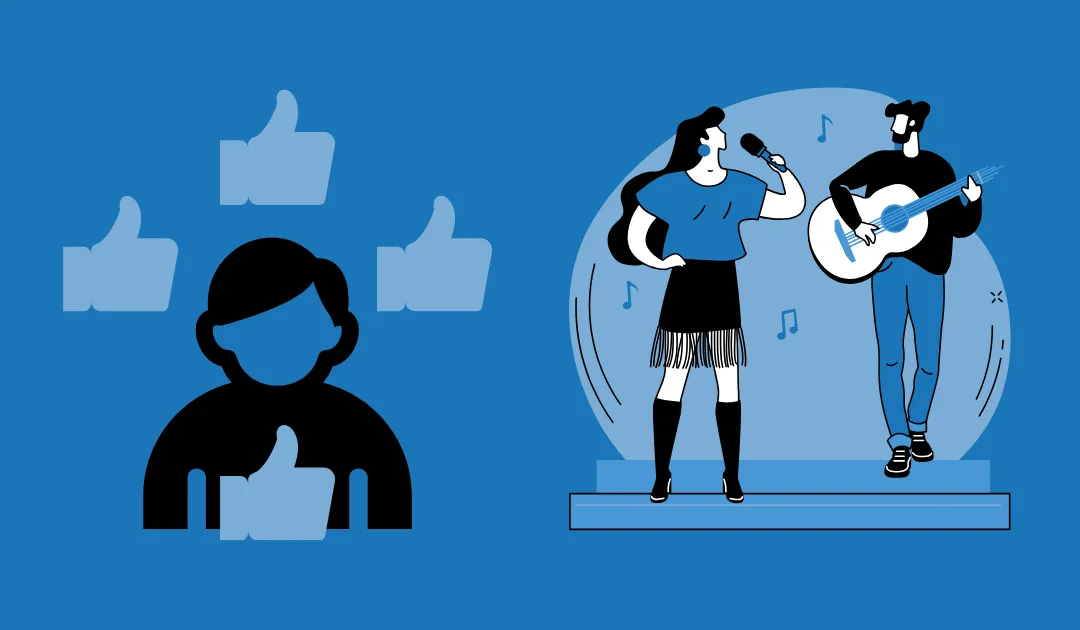
Numbers play a decisive role in today’s music industry. When an artist has hundreds of thousands or even millions of followers, they represent something extremely valuable to record labels and industry stakeholders: a ready-made audience.
From a business standpoint, it makes total sense. Why take a chance on developing an unknown artist when you can invest in someone who already has attention, engagement, and proven demand?
From a label perspective, investing in artists with existing audiences reduces risk and accelerates return on investment.
But here’s where things get complicated. If popularity comes first, does the quality of the music matter as much?
In many cases, the answer is: not initially.
An artist with a strong online presence can release a track and generate streams, shares, and buzz, whether the song is groundbreaking or not. Why? Because the audience is already invested in the artist as a person.
Therefore, the music becomes part of a broader content ecosystem rather than the core product.
The Illusion of Demand
This is where marketing power truly comes into play. If a label or team gets behind an artist, they can amplify a release across multiple channels:
- Playlist placements
- Influencer collaborations
- Paid social campaigns
- Algorithmic pushes
The result? Repetition. And repetition is one of the most powerful psychological tools in marketing.
Similarly, many mainstream hits gain traction not just from initial reception but from sustained playlisting, algorithmic exposure, and repeated airplay that reinforces familiarity over time.
Think about commercial radio for a moment. A song might not grab you the first time you hear it. Or the second. But if it’s played five times a day, every day, for a month, something interesting happens: familiarity kicks in.
You start to recognize the melody. You remember parts of the lyrics. It feels comfortable. And comfort often gets mistaken for preference.
Before you know it, you’re singing along. Not because you consciously decided the song was great, but because it became familiar enough to like.
This is known as the mere exposure effect, and it’s alive and well in today’s music industry.
Music marketing insights for artists and bands. No spam, just useful stuff.
Are We Losing the Magic?
So where does that leave the idea of artistry? There’s no denying that incredible music is still being created. Talented artists are pushing boundaries, experimenting with sound, and connecting deeply with audiences.
But the pathway to success has shifted. It’s no longer just about:
- Writing great songs
- Developing a unique sound
- Building a body of work
It’s also about:
- Creating consistent content
- Building a personal brand
- Engaging daily with an audience
For many artists, this can feel like a trade-off.
Do you dedicate time to perfecting your craft, or do you focus on feeding the content machine?
Do you choose to stay mysterious or remain visible?
The New Reality: Artist as a Brand
Whether we like it or not, today’s artist is also a brand. And like any brand, success depends on visibility, positioning, and connection.
This doesn’t mean the music doesn’t matter, because it does. But it does mean that music alone is rarely enough to cut through the noise.
The artists who succeed today understand how to balance both sides:
- Creative authenticity (the music)
- Strategic visibility (the marketing)
They don’t rely solely on virality, but they don’t ignore it either. They recognize that attention is the gateway, and music is what keeps people there.
Is the Artist’s Mystique Lost?
Not entirely. It’s just evolved. Mystery in today’s world doesn’t come from absence; it comes from intentionality.
Artists who decide what to reveal, how to present themselves, and when to engage can still spark curiosity. In a world of oversharing, controlled restraint can be more impactful than constant exposure.
Think about it:
- Not every moment needs to be documented
- Not every thought needs to be posted
- Not every release needs to follow a trend
When everything is visible, selective invisibility becomes a strategy.
What This Means for Emerging Artists
If you’re an artist trying to break through, this landscape can feel overwhelming.
You might be thinking:
- “Do I need to go viral to succeed?”
- “Is my music enough?”
- “Am I falling behind if I’m not posting daily?”
Here’s the truth: you don’t need to choose between art and marketing; you need to align them. Here’s how:
1. Build an Audience with Purpose
Don’t chase followers for the sake of numbers. Focus on attracting people who genuinely connect with your sound and message.
2. Let Content Support the Music
Your content shouldn’t replace your music; it should lead people to it. Behind-the-scenes clips, storytelling, and context can deepen the listener’s connection.
3. Prioritize Consistency Over Virality
Going viral is unpredictable. Showing up consistently builds trust, and trust builds longevity.
4. Protect Your Creative Space
Not everything needs to be shared. Give yourself room to create without the pressure of constant visibility.
5. Understand the Game, But Don’t Lose Yourself in It
Yes, the industry values numbers. Yes, marketing matters. But the artists who last are the ones who stay true to their identity while adapting to the landscape.
The Role of Smart Marketing
This is where strategic marketing becomes essential, not as a replacement for music, but as a multiplier.
At its best, marketing doesn’t manipulate people into liking something. It helps the right people discover something they’ll genuinely love.
That’s a big difference.
Because while repetition can create familiarity, authentic connection creates loyalty. And loyalty is what turns listeners into fans.
The Curtain Isn’t Closed
The idea of “behind the curtain” still exists; it just looks different now. Instead of hiding everything, today’s artists are navigating how much to reveal, how to engage, and how to stand out in a world where everyone has a platform.
Although the industry has shifted toward visibility, numbers, and content-driven growth, popularity can sometimes take precedence over artistry. But none of that changes one fundamental truth: Great music still matters.
Marketing may get people through the door, but it’s the music that makes them stay. The curtain may already be open, but what you do on stage still counts.
Ready to Cut Through the Noise?
If you’re serious about building your audience without losing what makes your music yours, you don’t have to figure it out alone. At Rock Amplify, we help artists bridge the gap between authentic artistry and strategic marketing.
Amplifying your band into a brand is what we do best, while keeping your music at the center of it all. If you’re ready to take a more intentional approach to your growth, contact us today to amplify your brand.
Author: Alex Trajcevski
Ready to Get Amplified?
Your music deserves more than a post and a playlist link.
Let's build the brand around your music and give your audience something to connect with.