
As a musician, your music is only part of the story. What sets you apart in today’s crowded music industry isn’t just your songs; it’s your music branding and artistic identity. How you present yourself visually, musically, and even personally all combine to form your music brand.
A strong artistic identity helps fans recognize you, connect emotionally, and remember you long after a song ends. It’s your personality, story, style, and sound all wrapped into one consistent, memorable experience.
In this blog, we’ll walk through the steps to set a clear path for defining and creating your artistic identity, helping you build a music branding strategy that looks and sounds great and resonates with your audience.
What Is Music Branding?
Music branding is the process of intentionally shaping how the world perceives you as an artist. It’s more than just a logo or social media presence; it’s the combination of:
- Your sound: genre, tone, instrumentation, vocal style
- Your visuals: logo, color palette, album art, photos, and videos
- Your story and personality: values, mission, vibe
- Your messaging: how you communicate with fans online and offline
When done right, your music brand becomes instantly recognizable, builds trust with your audience, and differentiates you from other artists.
Example: The rock band KISS is a leading example of music branding. Their iconic face paint, stage outfits, logo design, and larger-than-life live performances created a visual identity that became instantly recognizable worldwide. Even without hearing a song, fans can immediately identify KISS just from their unique image, proving how powerful consistent branding can be in building a lasting music legacy.

Why Artistic Identity Matters
Your artistic identity is critical because:
- It creates an emotional connection with fans
- It sets you apart from other artists in your genre
- It provides a roadmap for your music, marketing, and visuals
- It strengthens your long-term career sustainability
Without a clear identity, even good music can get lost in a sea of content. A strong music branding approach ensures fans recognize and remember you instantly.
How to Define and Create an Artistic Identity
Step 1: Define Your Core Values and Story
Start by asking yourself:
- What do I stand for as an artist?
- What’s my mission or purpose?
- What emotions do I want my music to evoke?
Write a short artist statement that sums up your values and vision. For example: "I create music that blends storytelling with modern electronic sounds, aiming to inspire reflection and create a thought-provoking listening experience."
Your core values and story form the foundation of your music brand; they shape your visuals, sound, and messaging, helping you understand how to communicate your identity effectively.
Music marketing insights for artists and bands. No spam, just useful stuff.
Step 2: Identify Your Target Audience
Knowing your fans is just as important as knowing yourself. Ask:
- Who are my listeners? Age, interests, lifestyle?
- What problems, needs, or emotions does my music speak to?
Creating a fan persona helps you tailor your music branding to the people most likely to resonate with your work. It guides everything from your website and social media posts to live performance visuals. Developing this understanding early will make your brand strategy more effective.
Step 3: Create Your Visual Identity
Visuals are often the first impression people have of your music brand. Focus on:
- Logo: Your symbol or wordmark that appears on social media, merch, and albums
- Color palette: Choose colors that reflect your personality and vibe
- Typography: Fonts that match your style (bold, playful, modern, or classic)
- Imagery: Album art, promo photos, and social media visuals
Consistency across all channels builds recognition. Fans should instantly know your music just by seeing your logo, colors, or imagery.
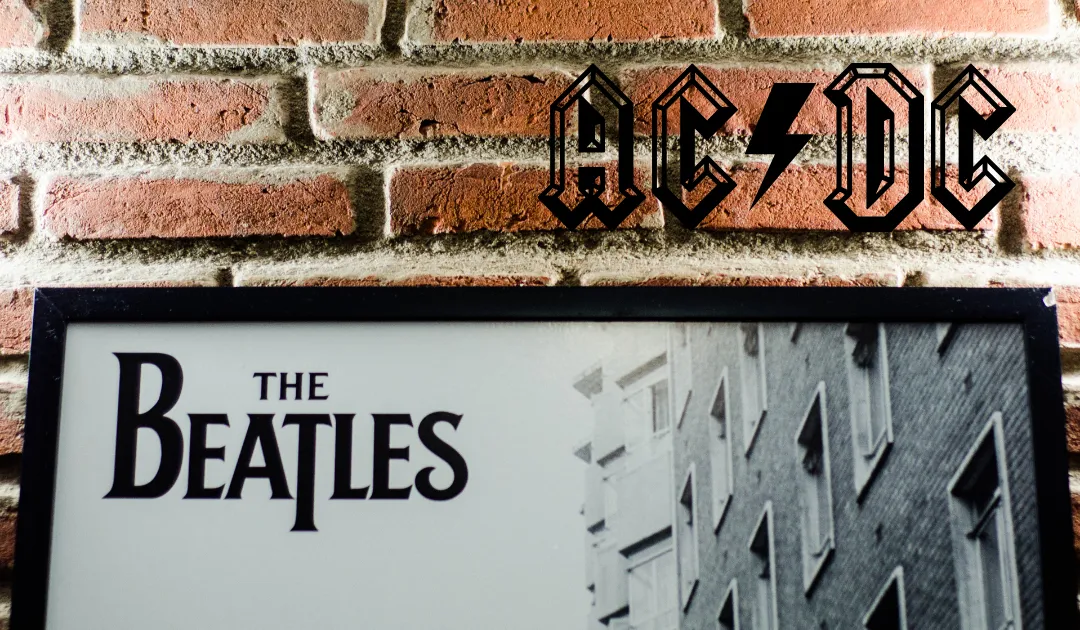
Example: Legendary bands such as The Beatles, KISS, AC/DC, Metallica, and Iron Maiden have built some of the strongest visual identities in music history.
Their logos are instantly recognizable, and their branding has remained consistent for decades, whether it’s on album covers, tour posters, merchandise, or stage visuals. That kind of consistency builds trust, strengthens fan loyalty, and makes the band feel larger than life.
Step 4: Define Your Musical Identity
Your sound is the most important element of your artistic identity. Focus on:
- Consistency: Choose a signature style, tone, or genre that becomes recognizable
- Signature elements: This could be a particular vocal technique, a type of riff, or a production style
- Evolution with authenticity: It’s okay to grow, but maintain a core sound that fans can identify with
Example: Artists such as Lady Gaga and Ghost exemplify musical identity done right. Lady Gaga has evolved through pop, electronic, jazz, and cinematic ballads, but her bold vocal style and theatrical approach remain instantly recognizable.
Similarly, Ghost experiments with different rock and metal influences across albums, but their signature songwriting style and dark, melodic sound consistently tie everything together. Both artists prove that you can evolve creatively while still maintaining a strong musical identity that musicians can look to for inspiration when defining their own sound.
Step 5: Build Your Online Presence Around Your Brand
Once you’ve defined your brand identity, make sure it’s reflected everywhere online:
- Social media: Profiles, posts, and visuals should match your brand’s tone and style
- Streaming platforms: Spotify profile, playlist placement, and bio should reinforce your story
- Fan engagement: Share behind-the-scenes content, personal stories, and visuals that strengthen your identity
Consistency builds trust. Fans feel connected when your music branding is reflected across every channel.
Step 6: Stay Authentic and Evolve
Authenticity is key. Fans can spot a brand that feels forced. Keep your core identity intact, but allow room for growth:
- Experiment with new sounds, visuals, or messaging while staying true to your brand values
- Revisit your brand periodically to ensure it still aligns with your artistic evolution
Example: Taylor Swift evolved from country to pop, then to indie/folk, but her core storytelling and authenticity remained intact, strengthening her music brand over time.
Build a Music Brand That Stands Out
Your artistic identity is what makes you unforgettable as a musician. Every choice you make, whether it’s a logo, a lyric, or a social post, shapes your music branding and how the world sees you. The more intentional you are, the stronger your connection with your audience will be.
If you’re ready to take your music career seriously and build a music brand that resonates, Rock Amplify can help you craft a professional, cohesive, and memorable brand identity. Contact us today and turn your music into a brand that fans can’t forget.
Author: Alex Trajcevski
Ready to Get Amplified?
Your music deserves more than a post and a playlist link.
Let's build the brand around your music and give your audience something to connect with.